The Sudden Amnesia That Strikes When Someone Asks Where to Eat
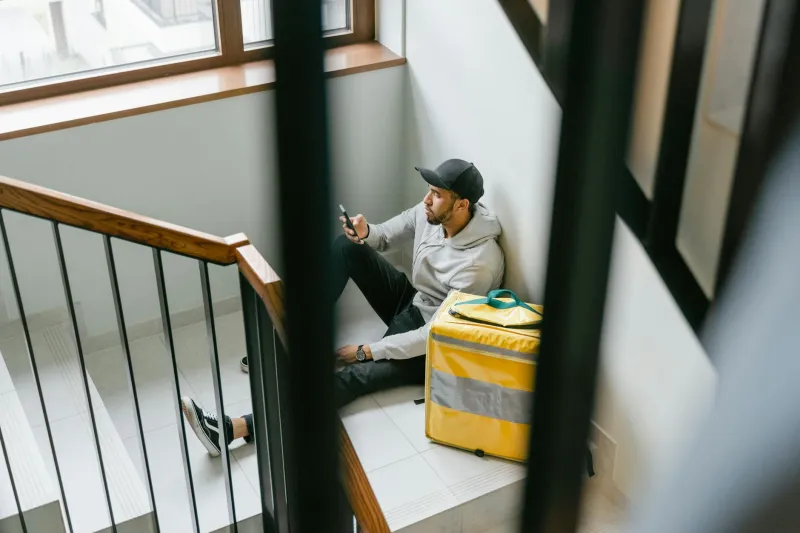
The Question That Breaks Your Brain
"Hey, do you know any good places to eat around here?"
Seven simple words that somehow transform you from a functioning human being into a deer caught in headlights, if that deer had also recently suffered a traumatic brain injury that specifically erased all knowledge of restaurants.
This is particularly baffling because just yesterday, you had very strong opinions about the difference between good pizza and great pizza. You've definitely eaten food before—in fact, you do it multiple times a day. You have favorite places. You have places you actively avoid. You once spent forty-five minutes explaining to your friend why the burrito place on Fifth Street is superior to the burrito place on Main Street.
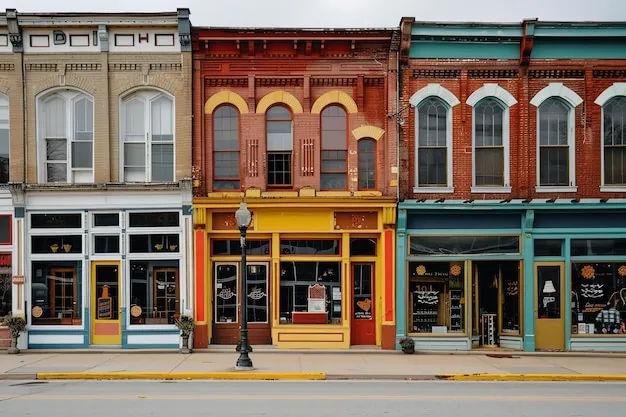 Photo: Main Street, via img.freepik.com
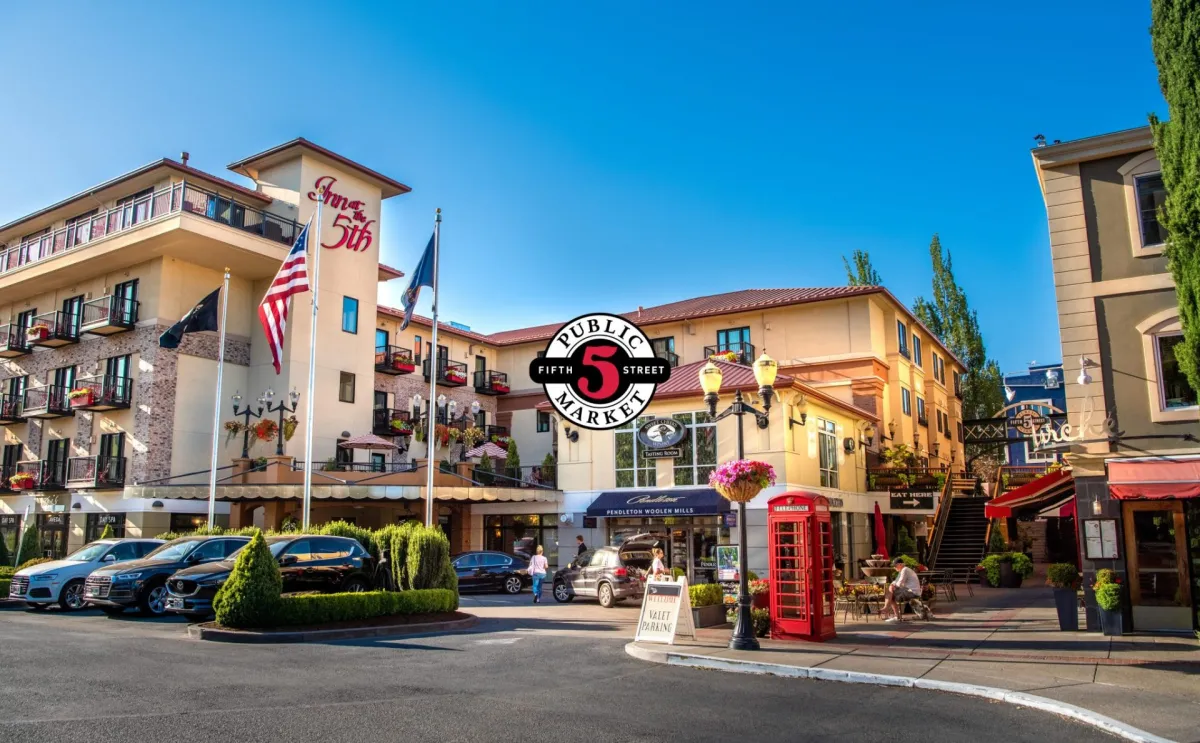 Photo: Fifth Street, via www.madebyquip.com
But now? Now your brain has apparently decided that restaurants are a myth, food is a social construct, and you've never heard of this "eating" concept they speak of.
The Great Restaurant Vanishing Act
In the moment someone asks for a recommendation, every restaurant you've ever enjoyed immediately ceases to exist in your memory. That Thai place you go to twice a month? Never heard of it. The coffee shop where you're practically a regular and they know your order? What coffee shop?
It's like your brain has performed some sort of witness protection program on your entire dining history. All those Yelp reviews you've written, all those Instagram photos of aesthetically pleasing brunch plates, all those heated debates about whether pineapple belongs on pizza—gone. Vanished. As if they never happened.
Instead, your mind offers up helpful suggestions like "food... place... with... tables?" and "that building where they give you stuff to eat in exchange for money." Thanks, brain. Really narrowing it down there.
The Pressure Cooker of Expectations
The problem isn't just that you can't remember restaurants—it's that you suddenly understand the enormous responsibility that comes with making a recommendation. This isn't just about food anymore. This is about your reputation, your credibility, your entire social standing.
What if they hate it? What if the service is terrible on the one day you send them there? What if they're vegetarian and you recommend a steakhouse? What if they're on a budget and you suggest somewhere that charges twenty-three dollars for what is essentially fancy toast?
You're not just picking a restaurant—you're potentially ruining their entire evening, their opinion of you, and quite possibly their faith in humanity's ability to make reasonable decisions about food.
The Mental Calculation Olympics
Assuming you can remember that restaurants exist, your brain immediately begins performing calculations that would make a NASA engineer weep. You must consider:
- Their dietary restrictions (which you don't know)
- Their budget (which you're afraid to ask about)
- Their tolerance for waiting (unknown)
- Their feelings about parking situations (a complete mystery)
- Whether they're the type of person who judges you based on restaurant acoustics
- The probability that they're secretly hoping you'll suggest the exact place they already had in mind
This mental gymnastics routine happens in approximately 0.3 seconds, during which your face maintains a frozen smile that suggests you're either deep in thought or having a small stroke.
The Safe Play Strategy
Eventually, your brain settles on the most generic, universally acceptable option possible. "Oh, you know, there's that Italian place," you'll say, as if there's only one Italian restaurant in the entire city and everyone obviously knows which one you mean.
Or you'll go with the nuclear option: "I don't know, what are you in the mood for?" This is the conversational equivalent of playing hot potato with a live grenade. You've successfully transferred the decision-making responsibility back to them, while simultaneously revealing that you're the kind of person who can't even commit to a restaurant recommendation.
The Plot Twist: They Already Knew
Here's the thing that makes this entire psychological ordeal even more absurd: ninety percent of the time, the person asking already has somewhere in mind. They don't actually want a recommendation—they want validation for the choice they've already made.
They're going to respond to whatever you suggest with, "Oh, actually, I was thinking about that new sushi place," and you'll realize you just put yourself through an entire existential crisis for absolutely no reason.
They didn't need your expertise. They didn't need your carefully considered analysis of the local dining scene. They just needed you to ask, "Oh, where were you thinking?" so they could feel like their pre-selected restaurant choice was a collaborative decision rather than a unilateral decree.
The Recovery Phase
After the interaction is over and you've either made a recommendation or successfully deflected the question, your brain will immediately remember every restaurant in a fifty-mile radius. "Oh, I should have mentioned that sandwich shop!" you'll think. "Or that Mexican place with the good margaritas! Or literally any of the thirty-seven restaurants I ate at in the past month!"
This delayed recall is your brain's way of letting you know that it was perfectly capable of providing helpful restaurant recommendations the entire time—it just chose not to, because apparently your neural pathways have a sense of humor and terrible timing.
The Universal Truth
The real truth is that everyone experiences this same restaurant amnesia, which means we're all wandering around pretending to have dining opinions while secretly panicking about our complete inability to remember where food comes from when put on the spot.
We're all just winging it, hoping someone else will take the lead, and then pretending we're totally fine with whatever gets decided. It's like a citywide conspiracy of people who eat food regularly but somehow can't remember where they got it when it matters most.
And honestly? That's probably fine. Because at the end of the day, most restaurants serve food, most food is edible, and most people are just happy someone else made the decision so they don't have to.