Your New Habit Had a Great Four Days. Here's Its Obituary.
Your New Habit Had a Great Four Days. Here's Its Obituary.
Somewhere in your home right now, there is evidence. A resistance band still in its packaging. A journal with two entries and sixty blank pages. A bag of chia seeds that expired in 2023. An app on your phone with a notification you've been dismissing since February.
These are not signs of failure. They are artifacts of ambition — little monuments to the person you were briefly, completely certain you were about to become.
This is the full lifecycle of the American new habit, from the electric high of day one to the dignified silence of day five. Ranked, with love, by how fast each stage collapsed.
Stage 1: The Inspiration Moment (Survival Rate: 100%)
It always starts with a trigger. Maybe you read something. Maybe you watched a documentary about cold plunges and a guy with extremely good posture told you it changed his life. Maybe it was 11:30 PM on a Sunday and you were eating cereal over the sink and something just clicked.
The idea arrives and it feels different this time. Not like the other times. This time there's clarity. This time you understand what you've been missing. You don't just want to start running — you understand, on a cellular level, why running is the answer.
You go to bed energized. You do not run that night. But the intention is immaculate.
Average lifespan of this stage: One to three hours, or until you fall asleep.
Stage 2: The Research Phase (Survival Rate: 97%)
Before you can begin, you need to understand the thing fully. This is responsible, actually. You spend the next day watching YouTube videos, reading Reddit threads, and comparing apps. You discover there is significant debate about the correct way to do the thing you want to do, and you feel it's important to resolve this debate before starting.
You find a beginner program. Then a better beginner program. Then a forum post arguing that all beginner programs are wrong. You bookmark fourteen tabs. You feel productive. You have not yet done the thing.
Average lifespan of this stage: One to four days, culminating in a purchase.
Stage 3: The Gear Acquisition (Survival Rate: 94%)
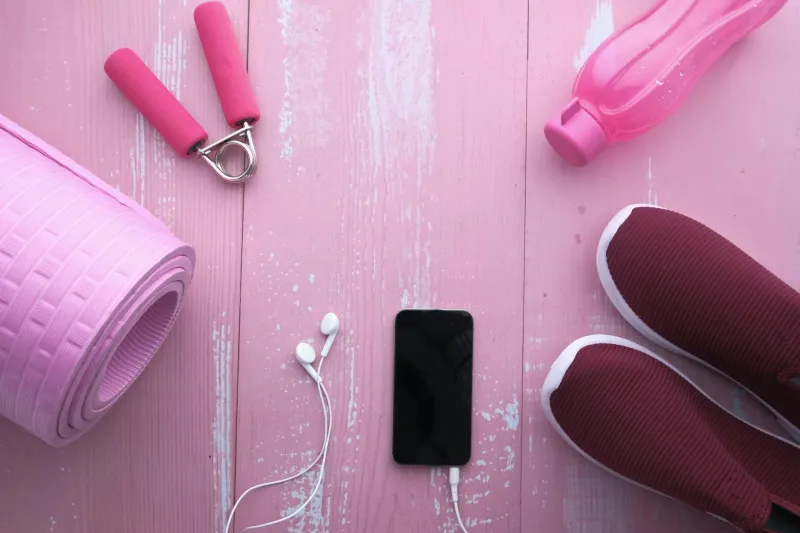
Here is where things get financially interesting. You don't need much — just a few things to do this properly. The right shoes. The right app (paid tier, obviously — you're serious about this). A specific water bottle that the Reddit thread mentioned. Maybe a book about the habit, because understanding the science will reinforce your commitment.
You spend between $47 and $340 depending on the habit. You feel the purchase itself as a kind of progress. The gear arrives. You arrange it somewhere visible. You take a moment to appreciate how prepared you are.
Average lifespan of this stage: Two to five business days, including shipping.
Stage 4: Telling Someone About It (Survival Rate: 89%)
This is a critical and deeply counterproductive step that almost everyone takes anyway. You tell a friend, a coworker, or post something vague on Instagram. You say something like "really trying to be intentional about my mornings" or "started getting into [the thing]."
Psychologists will tell you this is actually bad for follow-through — that announcing a goal gives your brain the reward of completion before you've done anything. You know this. You tell someone anyway. It just feels so good to be a person who is starting something.
Average lifespan of this stage: Approximately one conversation.
Stage 5: Day One (Survival Rate: 85%)
Day one is genuinely wonderful. You do the thing. You feel the way people in commercials look. You are slightly sore or slightly tired or slightly caffeinated, and it feels meaningful. You check off the habit tracker app. You drink water. You go to bed at a reasonable hour.
You think: why didn't I start this sooner?
Average lifespan of this stage: Exactly one day.
Stage 6: Days Two Through Four (Survival Rate: 61%)
Day two is fine. Day three, you're tired and it rains and you do a modified version, which still counts. Day four, something comes up — a work thing, a social thing, a thing where you just really don't want to — and you skip it, but with full intention to resume tomorrow.
Tomorrow does not go the way you planned.
Average lifespan of this stage: Two to four days, ending quietly with no formal announcement.
Stage 7: The Justification Period (Survival Rate: 100% — this stage is indestructible)
You don't quit. You simply reassess. The program you chose was too aggressive for a beginner. The timing wasn't right — you'll start fresh on Monday, or the first of the month, or after this busy stretch at work clears up. You've actually been doing a lot of walking lately, which is arguably better anyway.
The gear stays out for another week as a symbol of intention. Then it migrates to a shelf. Then a closet. The app stays on your phone as a reminder that you are someone who cares about this.
Average lifespan of this stage: Indefinite. Possibly forever.
The Ending: A New Beginning
Here's the thing nobody says out loud: somewhere around day six of not doing the thing, a new idea arrives. Something you read, or heard, or saw someone doing. And it feels different this time. Not like the other times.
You open a new tab. You start researching.
The resistance band remains in its packaging. The journal waits. The chia seeds do whatever chia seeds do when left alone.
And you, optimistic and completely serious about this one, begin again.
Same, tbh.