The Unofficial Rules of Eating Someone Else's Leftovers, Ranked by Legal Risk
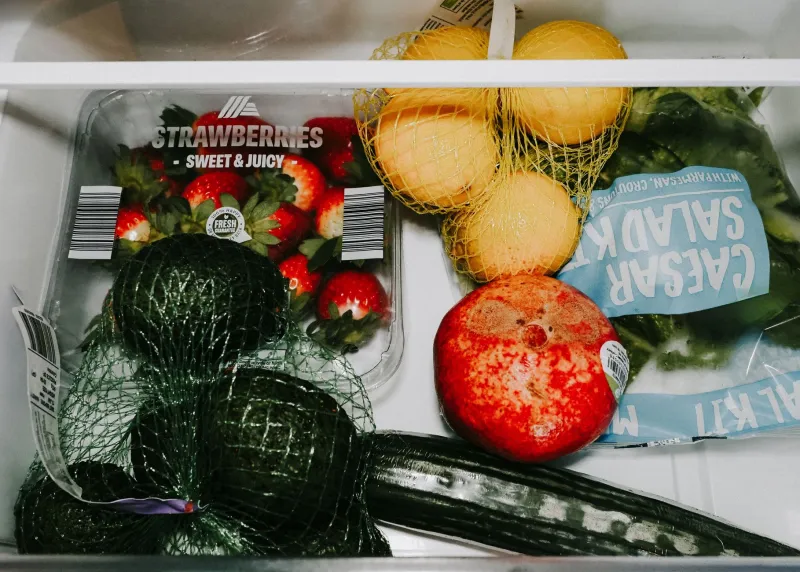
No courtroom would hear this case. No lease agreement covers it. No employee handbook, no matter how thorough, has ever included a clause about the half-eaten burrito on the second shelf.
And yet, everyone knows the rules.
Not because anyone taught them. Not because there was a conversation, a memo, or a shared Google Doc titled "Fridge Ethics." Just because human beings, when placed in proximity to a shared refrigerator, develop an immediate and surprisingly detailed understanding of what they can and cannot eat. It is instinct. It is civilization. It is the thin line between a normal Tuesday and a passive-aggressive note taped to the Tupperware.
Here is the full taxonomy, ranked from completely off-limits to actively encouraged.
Tier One: Do Not Touch. Seriously. Don't.
Anything with a name on it. The moment someone writes their name on a container, it has been claimed with the same legal authority as planting a flag on the moon. "JESSICA — DO NOT EAT" is not a suggestion. It is a restraining order with a Sharpie. You don't touch it. You don't smell it. You don't even make extended eye contact with it while reaching for something else.
Anything in a branded bag from a specific restaurant. If it came in a bag with a logo on it, someone paid for that. Someone looked at a menu, made decisions, possibly agonized over them, and carried that food home or back from lunch with the full intention of eating it later. This is not a communal resource. This is a person's whole plan for the afternoon.
Anything that arrived today. Fresh leftovers have a kind of protective energy around them. The owner is still thinking about them. They are probably counting the hours until they can eat them again. The emotional investment is at its peak. You are not eating that.
Tier Two: Technically Off-Limits, But the Situation Is Complicated
Leftovers from three days ago, still in the original container. This is where the math gets murky. The owner clearly intended to eat this. But three days have passed. Their enthusiasm has cooled, possibly literally. Are they going to eat it? Maybe. Probably. But the window is narrowing.
You do not eat this. But you think about it. You think about it every time you open the fridge. You watch it the way you'd watch a parking meter with fifteen minutes left — not yours, but you're monitoring the situation.
The leftovers that have been there long enough to become a mystery. At some point, the original owner has, through inaction, begun the process of abandoning their leftovers. They know it's there. They're just not doing anything about it. This is a gray area. You still don't eat it. But you are now permitted to sigh audibly while looking at it.
Tier Three: Legally Murky, Morally Negotiable
The single item left in a larger container. One chicken wing. Three french fries. A solitary dumpling sitting in the corner of a takeout box like it's waiting for a bus. These items exist in a philosophical no-man's land. They are too few to constitute a meal. They are too many to have been left accidentally. The owner, consciously or not, has abandoned them to fate.
You may eat these. The law will not find you. Eat them quickly and do not discuss it.
Condiments, shared sides, and anything that came with the meal but wasn't the meal. The extra packet of soy sauce. The side of coleslaw nobody asked for. The bread that came with someone's soup. These items exist outside the normal framework. They were bonus content. They are fair game and everyone knows it.
Tier Four: Communal Property. Eat Freely and With Joy.
The mysterious container at the very back. Nobody knows whose this is. The original owner may have moved away. It has been there long enough that it has achieved a kind of squatter's rights — not for consumption, obviously, but in terms of belonging to no one. It belongs to the fridge now. You are not eating it, but you are also not responsible for it.
Anything left out with a note that says "help yourself." This is a gift. Accept it with gratitude and no follow-up questions.
The birthday cake someone brought in. Community property. Universally understood. There is no version of this where you don't have a piece.
The Guilt, Which Comes Regardless
Here's the part nobody talks about: even when you eat something that is definitively, unambiguously within your rights — the abandoned fries, the communal cake, the explicitly offered leftovers — there is a low-level guilt that follows you back to your desk.
You ate something. It wasn't yours originally. Even if the original owner has long since moved on, even if the food would have been thrown out, even if you did everything right — some part of you is waiting for someone to bring it up.
They won't. Nobody tracks this. Nobody cares.
But the next time you open the fridge and see your own leftovers sitting exactly where you left them, you will feel an unreasonable amount of relief.
Yours. Still yours. The rules held.
For now.