The Invisible Contract You Sign Just by Walking Into a Small Business
The Accidental Commitment Ceremony
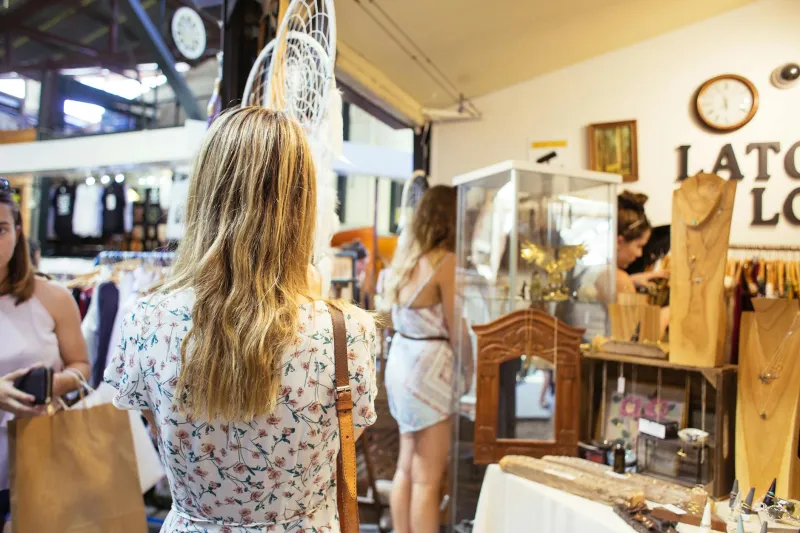
You were just walking by. Maybe killing time before your actual appointment, maybe seeking shelter from a sudden downpour, maybe genuinely curious about what a store called "Whimsical Wonders & More" actually sells. But the moment you cross that threshold and the little bell announces your arrival, you've entered into an unspoken social contract more binding than most rental agreements.
The shop owner looks up from behind the counter with that hopeful smile—not pushy, just optimistic—and suddenly you're not a casual browser anymore. You're a potential customer, which means you're now morally obligated to at least pretend you might buy something. This is the moment your afternoon takes a hard left turn into awkward town.
The Escalating Browse Trap
It starts innocently enough. You pick up a decorative soap shaped like a succulent ($14.99) and examine it with the intensity of a museum curator. You're not going to buy decorative soap—you use whatever's on sale at Target—but you need to look interested enough to justify your presence without looking so interested that the owner starts explaining the "artisanal process."
But here's the trap: the longer you stay, the more committed you become. Five minutes in, you're just browsing. Ten minutes in, you're seriously considering. Fifteen minutes in, you're basically stealing if you leave empty-handed. The shop owner hasn't said anything pushy, but their quiet presence creates a pressure that increases with every passing minute.
You find yourself picking up items with increasingly serious consideration. A $23 candle that smells like "autumn memories." A $31 throw pillow with a motivational quote in cursive font. A $47 piece of "reclaimed wood art" that looks suspiciously like something you could make with a Sharpie and a trip to Home Depot.
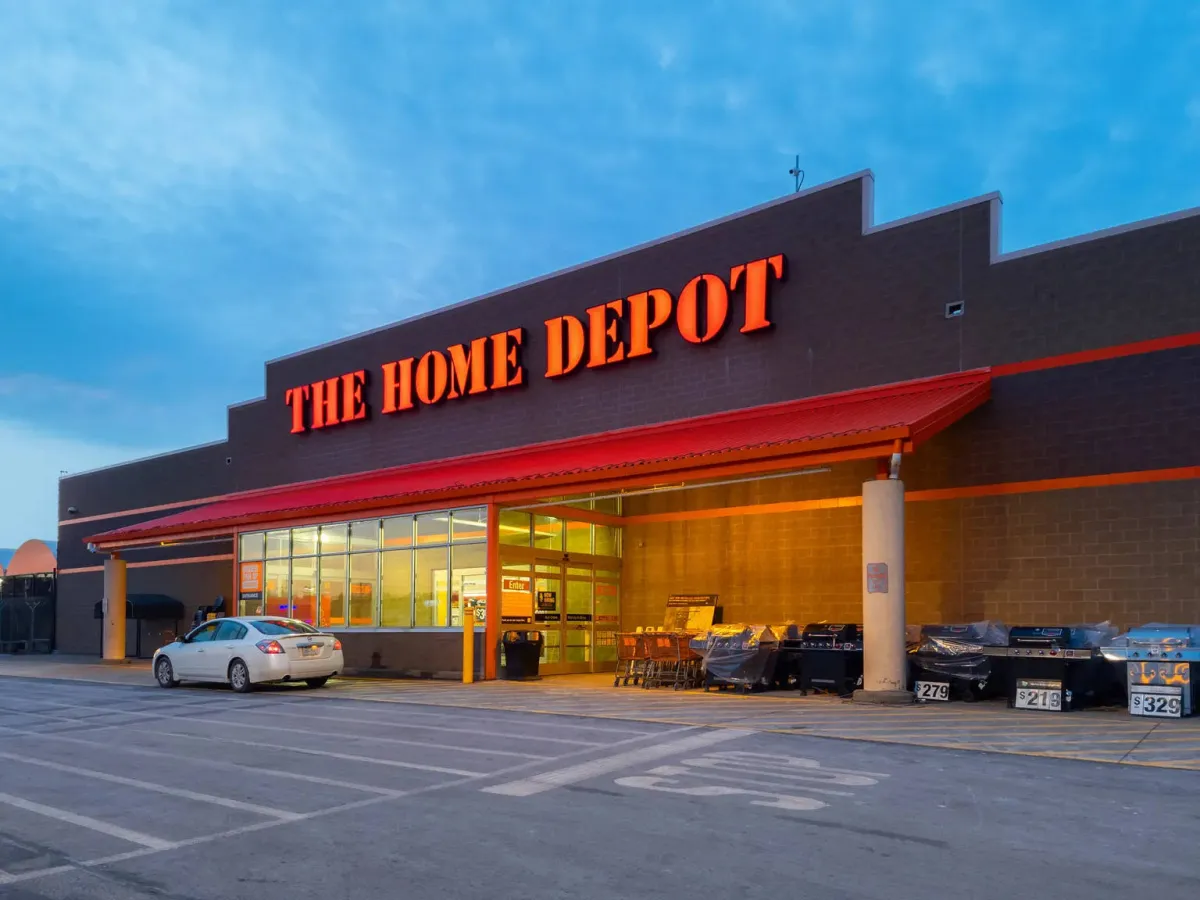 Photo: Home Depot, via wallpapers.com
The Internal Negotiation Phase
Now you're in full mental spiral mode. You start calculating: How much is your dignity worth? Is $18 for a ceramic owl you'll never display a reasonable price for not feeling like a terrible person? You begin bargaining with yourself like you're your own hostage negotiator.
"I could buy the smallest thing," you think. "Just something to show I'm not a complete freeloader." You scan for the cheapest item in the store. A bookmark shaped like a feather ($6.99). Perfect. That's less than a fancy coffee drink. You can afford to throw away seven dollars for social peace.
But then you realize buying the cheapest thing might be insulting. Like tipping exactly 15% at a restaurant where the service was amazing—technically correct but somehow wrong. Maybe you should buy something mid-range to show you're a serious customer who respects small business but isn't a complete pushover.
The Owner's Dilemma
Meanwhile, the shop owner is trapped in their own version of this dance. They want to be helpful without being pushy, friendly without being desperate. They're probably thinking, "Is this person actually shopping or just hiding from the rain?" But they can't ask because that would be rude, and small business survival depends on not being rude to anyone who might potentially buy something someday.
So they hover at the perfect distance—close enough to answer questions, far enough away to not seem aggressive. They might offer one gentle "Let me know if you have any questions," but after that, it's just ambient presence and the sound of your own guilt growing louder.
The Point of No Return
Twenty minutes in, you've crossed into dangerous territory. You've examined half the store with the thoroughness of a home inspector. You've picked up the same handmade jewelry three times. You've read every single product description for items you have zero intention of owning. At this point, leaving empty-handed feels like theft of time and emotional energy.
The shop owner has invested twenty minutes of their day in your potential purchase. They've maintained the perfect temperature, kept the lights on, and created an atmosphere of artisanal possibility just for you. You can't just walk out now. That would be like going on three dates with someone and then ghosting them.
The Panic Purchase
Finally, you crack. You grab something—anything—and march to the counter with the determination of someone who's made a rational consumer choice instead of someone who's been psychologically cornered by their own politeness. You buy the $19 lavender soap that you'll use exactly once before it becomes bathroom decoration.
The transaction is weirdly emotional. The owner is genuinely grateful, which makes you feel good about supporting small business. You're relieved to have escaped with your social dignity intact. Everyone wins, except your wallet and your bathroom counter space.
The Post-Purchase Analysis
Walking out, you experience a complex mix of emotions. Relief that the social obligation is fulfilled. Mild pride in supporting local business. Immediate buyer's remorse about owning artisanal soap. And the creeping suspicion that you just got played by the most polite con game in America.
But here's the thing: you'll do it again next time. Because this isn't really about the soap or the candle or the motivational throw pillow. It's about the fundamental American belief that browsing creates obligation, that time equals money, and that politeness sometimes costs exactly $19 plus tax.
The Unspoken Rules
We've all agreed to participate in this elaborate social theater, and honestly, it kind of works. Small businesses stay afloat partly because of guilt purchases from people who just wanted to look around. Customers get to feel good about supporting local entrepreneurs. And everyone maintains the fiction that this is normal, rational economic behavior instead of an anxiety-driven social ritual that would confuse economists and anthropologists alike.
The next time you find yourself holding a $23 candle you don't want in a store you wandered into by accident, just remember: you're not just buying overpriced home goods. You're participating in one of America's most enduring traditions—the politeness tax.