The Final Mile Gamble: A High-Stakes Game Between You and Your Fuel Light
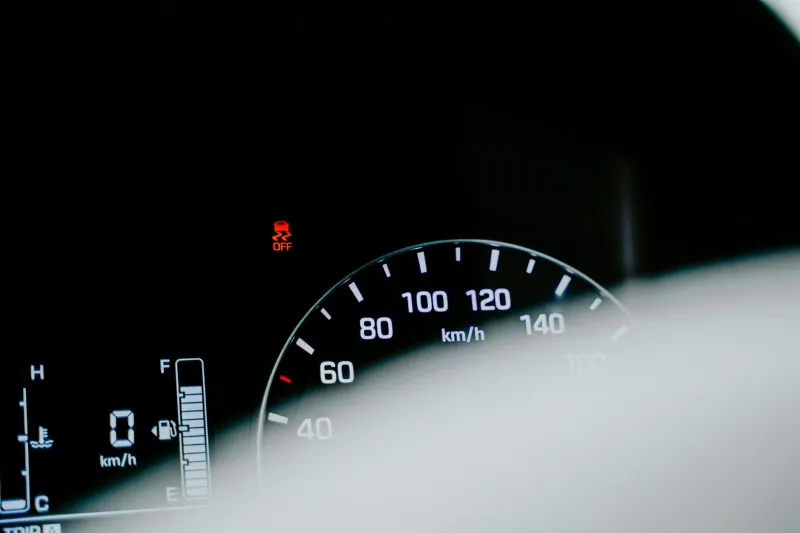
There's a moment in every driver's life when they transition from responsible adult to amateur risk analyst, and it happens exactly when that little orange fuel light decides to make its grand entrance. What follows is not just a drive—it's a masterclass in self-deception, creative mathematics, and the art of negotiating with inanimate objects.
The Opening Act: Denial and Optimism
It starts innocently enough. That cheerful little light pops up on your dashboard like an unwelcome party guest, and your first instinct is to pretend it doesn't exist. "Oh, that thing? That's just a suggestion," you tell yourself, as if your car's computer system is merely offering friendly advice rather than delivering a cold, hard fact about your impending doom.
You immediately begin the mental calculations that would make a NASA engineer weep. "Let's see, I've got maybe 30 miles left in the tank, and home is only... 28.5 miles away. That's basically a mathematical guarantee of success." Never mind that you learned this "30 miles left" figure from a guy at a barbecue three years ago who may or may not have been talking about a completely different car.
The Middle Act: Bargaining and Creative Problem-Solving
As the miles tick by and that fuel gauge needle hovers dangerously close to the "E" like it's considering whether to take the final plunge, the bargaining phase begins. This is where you start making deals with the universe that would impress even the most seasoned hostage negotiator.
"Okay, car, here's the deal: get me home, and I promise to use premium gas next time." You find yourself driving like you're transporting nitroglycerin, taking corners at the speed of continental drift and coasting down hills like you're competing in some sort of fuel efficiency Olympics.
You start turning off the air conditioning, the radio, and anything else that might be siphoning precious energy from your automotive lifeline. You're basically trying to put your car on life support while simultaneously asking it to perform miracles.
The Plot Twist: Advanced Rationalization
This is where things get really creative. You begin to rationalize your choices with the kind of mental gymnastics that would win Olympic gold. "Gas stations are probably busy right now anyway," you reason, as if avoiding a three-minute inconvenience is worth the potential of being stranded on the side of I-95.
You start remembering every news story you've ever heard about cars that somehow ran for days after their fuel light came on. "I read about this guy whose Honda went 50 miles on empty," you tell yourself, conveniently forgetting that A) it wasn't your car, B) it might have been a completely different model, and C) the story might have been entirely fictional to begin with.
The really advanced practitioners of fuel-light gambling start factoring in variables like wind resistance, the phase of the moon, and whether they've been generally good people lately. "I helped that old lady with her groceries last week, so karma should definitely get me home."
The Climax: The Point of No Return
There comes a moment in every fuel-light journey where you pass the last gas station before your destination, and you have to make a choice that feels more consequential than most life decisions. Do you swallow your pride and admit defeat, or do you double down on this increasingly absurd gamble?
Nine times out of ten, you choose to double down. You've come this far, after all. Turning around now would be admitting that you were wrong from the beginning, and that's simply not an option. You're pot-committed now, like a poker player who's bet their mortgage on a pair of twos.
This is when you start making increasingly desperate adjustments to your driving. You begin coasting whenever possible, timing traffic lights like you're conducting a symphony, and taking every shortcut you can remember, including that sketchy alley behind the Wendy's that may or may not actually save you any distance.
The Resolution: Victory, Defeat, or Dumb Luck
The beautiful thing about the fuel-light gamble is that it always ends the same way: with you either pulling into your driveway feeling like you've conquered Everest, or standing next to your car on the shoulder, calling AAA and explaining to your spouse why you're two hours late.
The winners of this game become legends in their own minds, telling the story of "that time I drove 35 miles on empty" for years to come. The losers learn a valuable lesson about the reliability of automotive fuel systems and the importance of basic planning.
But here's the real kicker: whether you win or lose, you'll probably do it again next month. Because deep down, we all know the truth—stopping for gas when you first see that light would take exactly three minutes and cost the same amount either way. But where's the fun in that?
The fuel-light gamble isn't really about gas at all. It's about the very human need to believe that this time, just this once, we can outsmart physics through sheer force of will and creative thinking. And honestly? Sometimes that's exactly what gets us home.