The Digital Draft Purgatory: An Anthropological Study of Unsent Messages
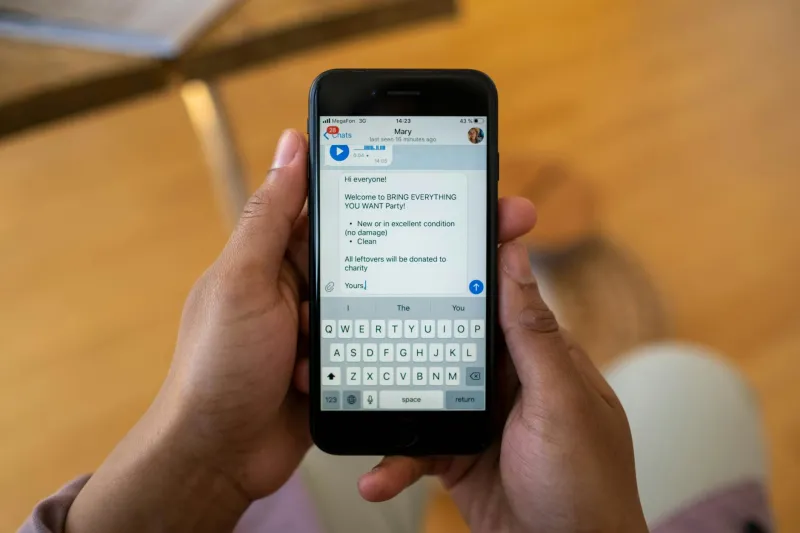
Stage One: The Inspiration Strike
It begins with perfect clarity. You know exactly what you want to say, and more importantly, you know exactly how brilliant you're going to sound saying it. Your thumbs move with the confidence of a concert pianist, crafting what will surely be remembered as the text message that finally explained everything.
This initial burst of digital eloquence feels unstoppable. You're typing faster than your brain can second-guess itself, riding the wave of pure communication genius. The message flows from your fingertips like poetry, if poetry was mostly about why someone should definitely respond to your previous text from three days ago.
Stage Two: The First Read-Through Doubt
You finish typing and prepare to hit send, but something makes you pause. Maybe it's the length—when did this become a novella? Maybe it's the tone—does this sound too eager? Too casual? Too much like you've been thinking about this conversation for the past six hours, which you definitely have?
You read it again, and suddenly every word choice feels wrong. "Hey" seems too informal, but "Hello" makes you sound like you're starting a business email. You begin the first round of edits, which is really just the beginning of your descent into textual madness.
Stage Three: The Escalating Revision Nightmare
What started as minor tweaks becomes a full-scale rewrite project. You're moving sentences around like you're editing the Gettysburg Address. Every emoji gets scrutinized—is the laughing face too much? Is the simple smiley face not enough? Should you abandon emojis entirely and risk seeming emotionally dead inside?
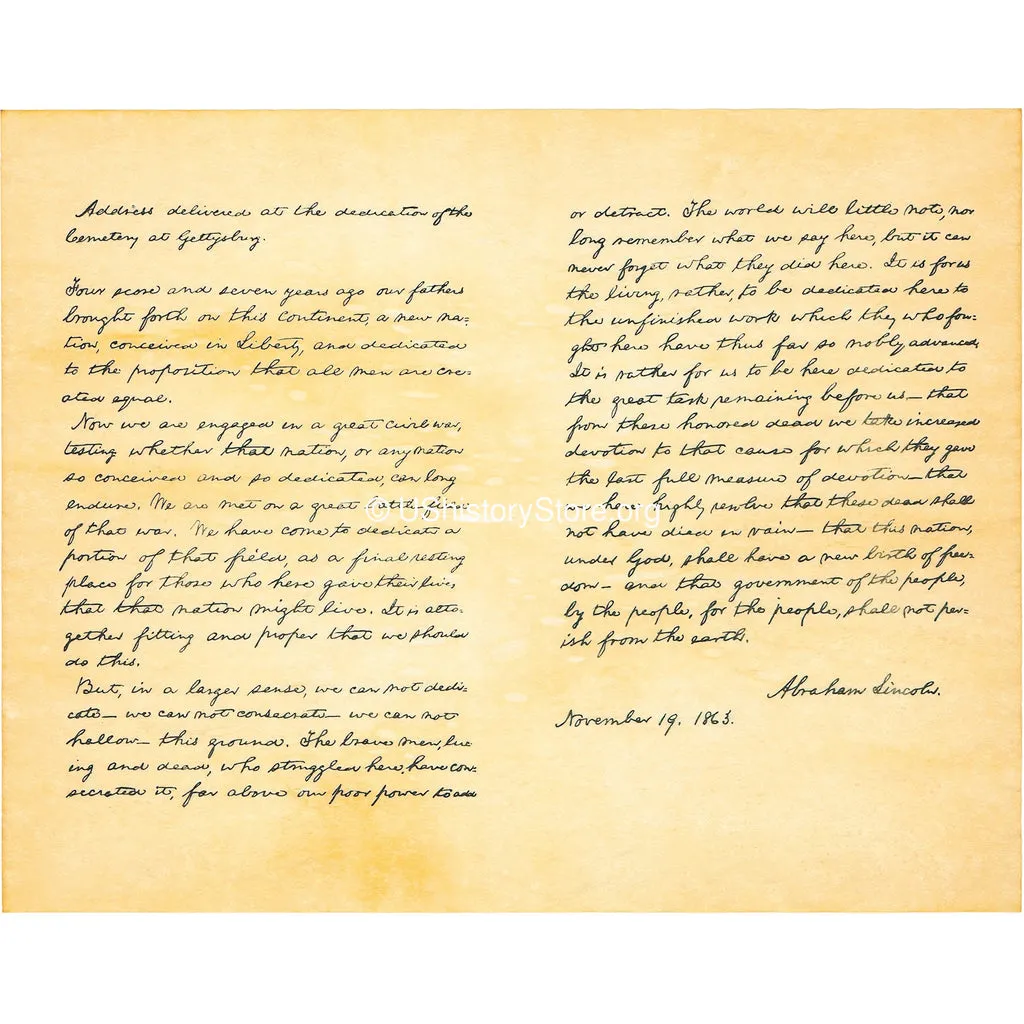 Photo: Gettysburg Address, via cdn.shopify.com
You find yourself crafting multiple versions: the casual version, the funny version, the slightly more serious version that shows you're a person of depth and substance. Your drafts folder becomes a creative writing workshop where every piece is about the same topic: trying to sound like a normal human being.
Stage Four: The Screenshot Intervention
Desperation sets in. You screenshot the message and send it to your most trusted advisor (usually whoever responded to your last text fastest). "Does this sound weird?" you ask, as if your friend has somehow become an expert in the specific psychological profile of your intended recipient.
Your friend responds with something unhelpful like "looks fine to me," which is basically the equivalent of shrugging through a screen. You realize you're asking them to decode the emotional implications of punctuation choices, and suddenly the whole enterprise feels insane.
Stage Five: The Analysis Paralysis Phase
You've been staring at this message for so long that the words have lost all meaning. "How are you?" starts to look like ancient hieroglyphics. You begin questioning the fundamental nature of human communication. When did talking to people become so complicated? Do other people spend this much time crafting casual messages, or are you uniquely broken?
You start researching response times like you're preparing a doctoral thesis. If they took four hours to respond last time, does that mean you should wait four hours? What if you respond too quickly and reveal that you've been holding your phone like a life raft for the past two days?
Stage Six: The Existential Crisis Intermission
Somewhere around hour three of message composition, you have a moment of clarity that's also a complete breakdown. Why are you putting this much emotional labor into arranging twenty-six letters in a rectangle? When did texting become performance art? You consider throwing your phone into the ocean and returning to a simpler time when people communicated through smoke signals and everyone understood the social protocols.
But then you remember that you still need to send this text, so you return to your digital purgatory with renewed determination and significantly more anxiety.
Stage Seven: The Great Abandonment
After cycling through seventeen different versions, consulting three friends, and googling "how long to wait before texting back," you make a executive decision: you're not sending anything. The message gets saved to drafts, where it will live forever alongside your other literary masterpieces like "Hey, saw your story about" and "Sorry for the late response, I've been."
You convince yourself that silence is sophisticated, that not responding is actually the most eloquent response of all. You're not avoiding communication—you're choosing the path of mysterious dignity. You're practically a zen master of digital restraint.
The Draft Graveyard Phenomenon
Your drafts folder becomes a archaeological site of abandoned conversations, a museum of social anxiety preserved in digital amber. Each unsent message represents a moment when you cared too much about seeming like you didn't care at all, when you tried so hard to be casual that you became completely paralyzed.
There's the birthday message you never sent because you couldn't decide between "Happy birthday!" and "Hope you have a great day!" There's the response to your crush's Instagram story that went through forty-seven revisions before you decided that commenting on someone's coffee choice was too forward. There's the apology text that became so elaborate it required footnotes.
The Phantom Response Syndrome
The cruelest part of this whole process is that after not sending the message, you'll spend the next three days checking your phone obsessively, somehow expecting a response to the text you never sent. Your brain has convinced itself that the conversation happened, and now you're confused about why they're not replying to your imaginary communication.
You'll find yourself analyzing their social media activity like a detective: they posted a story two hours ago, so they're definitely online, so they're definitely ignoring your nonexistent message. The logic is flawless in its complete insanity.
The Liberation Theory
Maybe the real message was the anxiety we felt along the way. Maybe the hours spent crafting the perfect response taught us something profound about human connection, about the gap between what we want to say and what we think we're allowed to say, about the performance of casualness in an age when everything feels high-stakes.
Or maybe we're all just overthinking our way out of basic human interaction, turning simple conversations into elaborate psychological operations. Either way, that message is still sitting in your drafts, waiting for the day you finally work up the courage to hit send—or the day you finally delete it and pretend this whole thing never happened.
Both options seem equally likely at this point.